


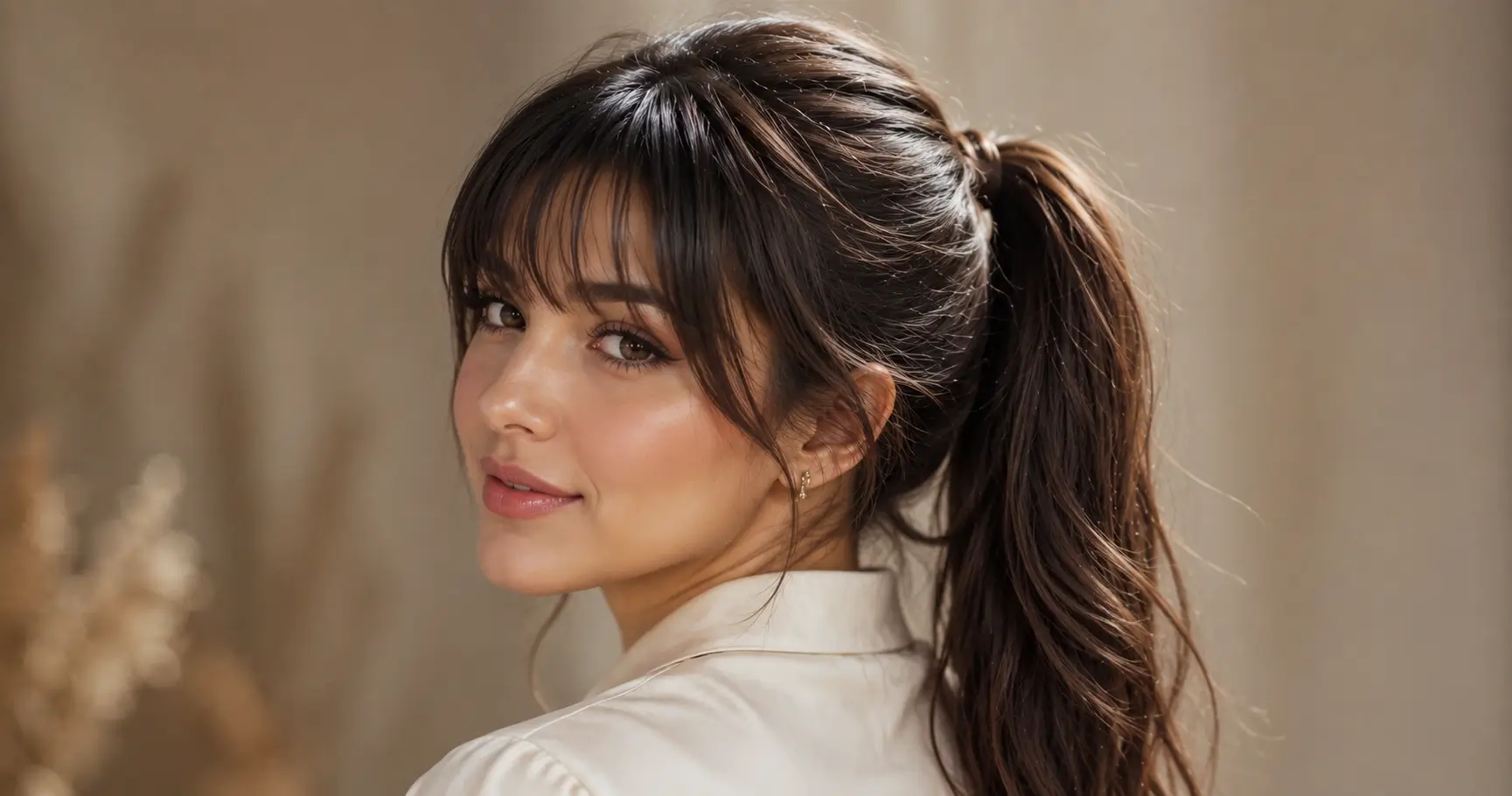
Ponytail With Bangs: 7 Stylish Ideas and Easy How-To Guide for 2026
ponytail with bangs is a timeless, versatile hairstyle that can look polished, playful, romantic, or casual.
In this guide, discover seven stylish ponytail with bangs ideas this year, plus styling tips, volume techniques, maintenance advice, and common mistakes.
What Is a Ponytail With Bangs?
A ponytail with bangs combines hair pulled into a ponytail with a fringe that remains around the forehead and upper face. The ponytail can sit high at the crown, at a medium height, or low near the nape.
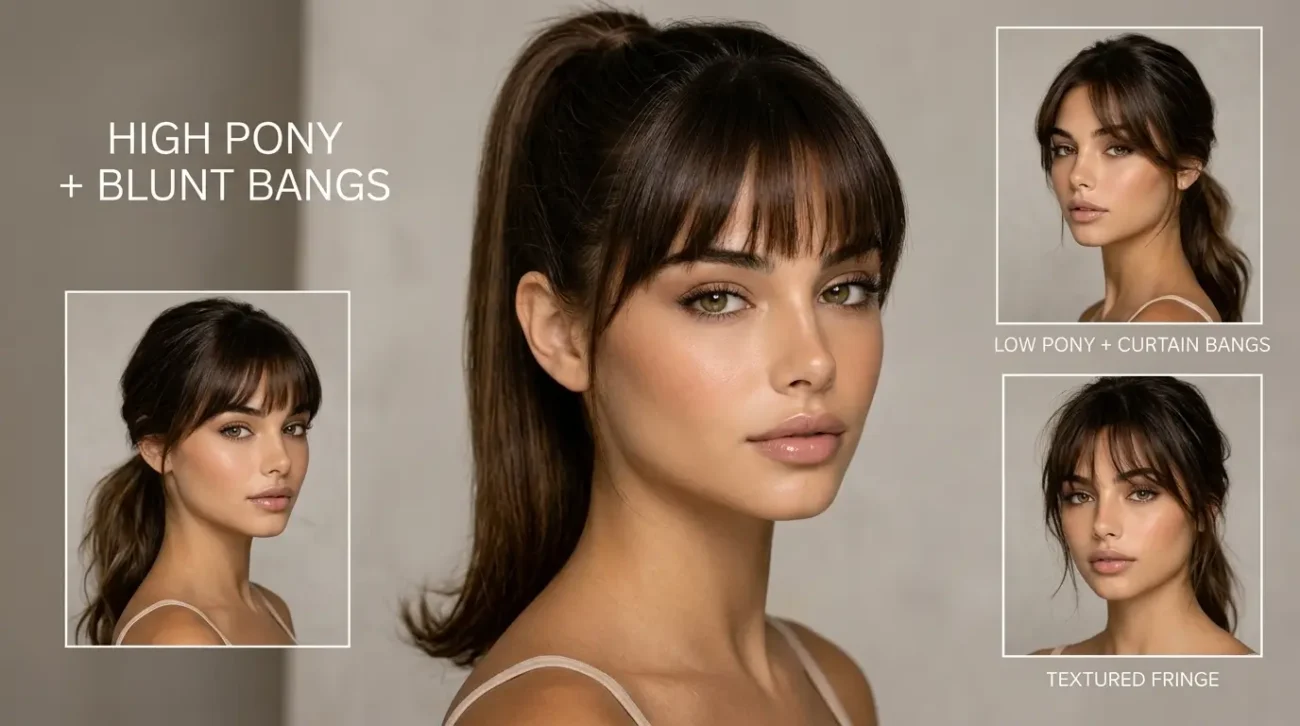
Meanwhile, the bangs can take several forms, including.
- Blunt bangs
- Wispy bangs
- Curtain bangs
- Side-swept bangs
- Long face-framing bangs
- Textured bangs
Because you can customize both the ponytail and fringe, this hairstyle fits many hair lengths, textures, and preferences.
For example, a sleek high ponytail with blunt bangs looks more structured. A low ponytail with curtain bangs feels softer and more relaxed.
Why Is the Ponytail With Bangs So Popular?
The popularity of the ponytail with bangs comes largely from its flexibility. Simply changing the ponytail height, fringe shape, or hair texture can make the same hairstyle feel dramatically different.
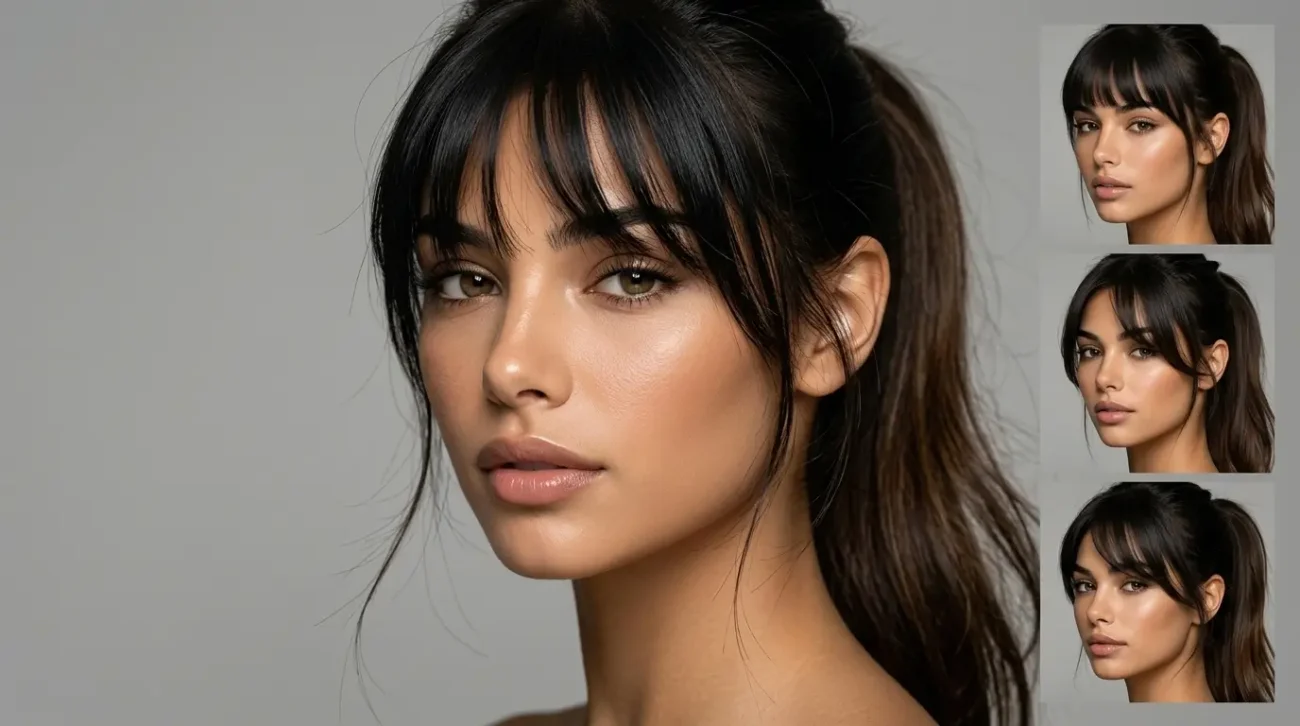
More importantly, this combination can.
- Frame the face and draw attention toward the eyes
- Add personality to a classic ponytail
- Work with casual and formal outfits
- Complement straight, wavy, and curly textures
- Create a polished look without complicated styling
- Offer different ways to experiment with bangs
In addition, keeping the main length secure lets the fringe stand out as the focal point. It does not require a completely different haircut.
7 Best Ponytail With Bangs Ideas for 2026
The best variation depends on your natural texture, preferred maintenance level, face shape, and the occasion.
here are seven versatile styles to consider.
1. High Ponytail With Bangs
A high ponytail with bangs creates an energetic and polished appearance. Because the ponytail sits higher on the head, it naturally draws the eye upward and gives the hairstyle a lifted effect.
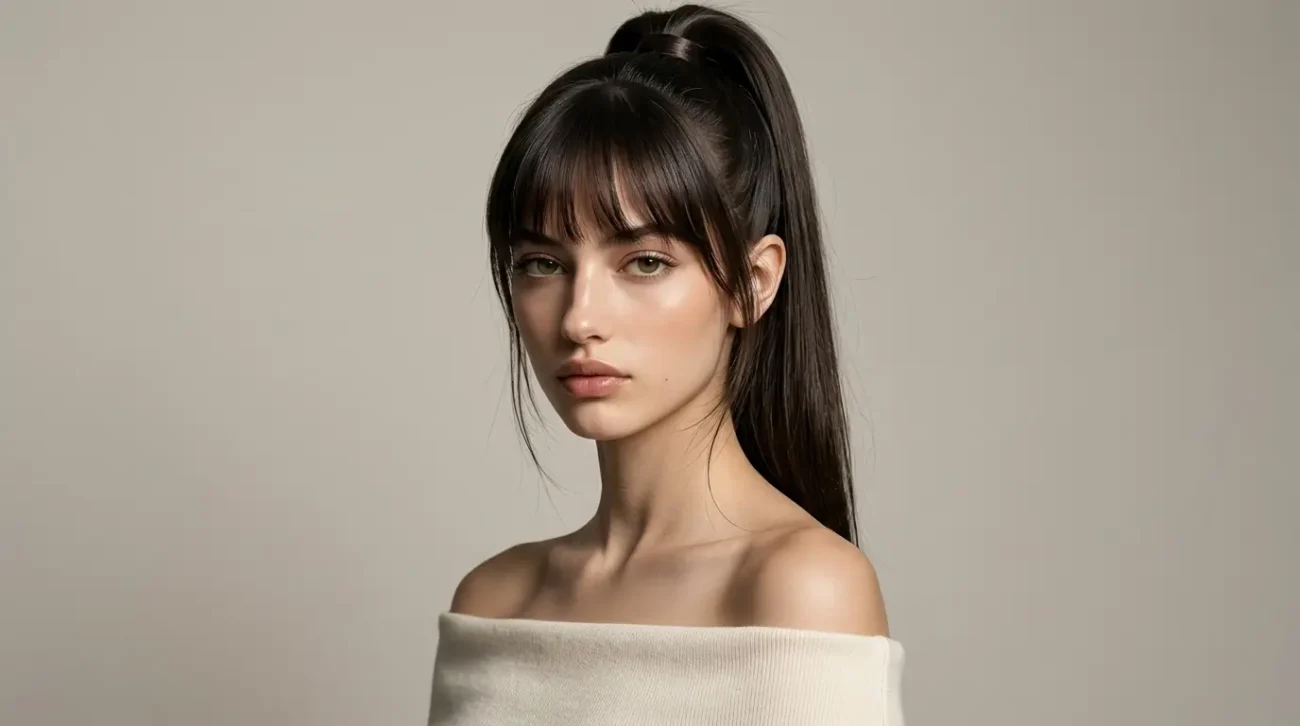
This variation can work particularly well with straight bangs, curtain bangs, or soft wispy fringe.
Best for
- Oval and heart-shaped faces
- Straight or slightly wavy hair
- Casual outings
- Active days
- Evening looks
How to style it
- Start with dry, detangled hair.
- Apply a lightweight smoothing product if needed.
- Brush the hair upward toward the crown.
- Secure the ponytail with a comfortable elastic.
- Wrap a small section of hair around the elastic for a polished finish.
- Style the bangs according to their shape.
- Finish with a light mist of hairspray to control flyaways.
Practical styling tip: If your hair tends to fall flat, gently add texture at the crown before securing the ponytail. However, avoid excessive teasing because it can create unnecessary tangling and stress on the hair.
2. Sleek Ponytail With Bangs
For a refined and modern appearance, a sleek ponytail with bangs is a simple yet striking option.
The hair is smoothed close to the head, creating a clean silhouette. At the same time, the bangs add softness and visual interest to the overall style.
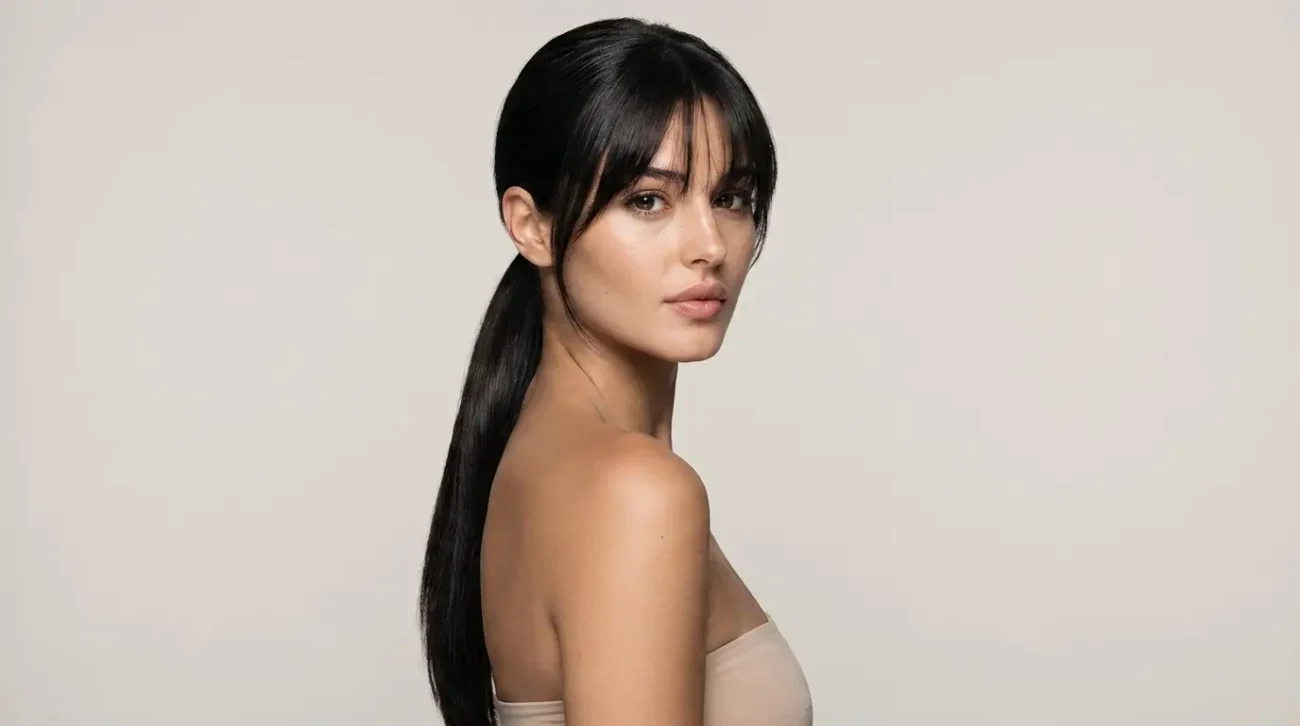
This version works particularly well for professional settings, formal occasions, dinners, and minimalist fashion looks.
How to style it
- Smooth the hair with a brush and blow-dryer.
- Separate the bangs from the rest of the hair.
- Gather the remaining hair into a high, medium, or low ponytail.
- Use a fine-tooth comb to smooth visible bumps.
- Style the bangs with a round brush or flat iron when appropriate.
- Apply a small amount of shine product to the lengths.
Keep in mind: Heavy styling products can make bangs appear greasy more quickly. Therefore, start with a small amount and concentrate product on the lengths rather than directly at the roots.
3. Low Ponytail With Bangs
A low ponytail with bangs offers a sophisticated alternative to a high ponytail. Positioned near the nape, it creates a relaxed and understated silhouette.
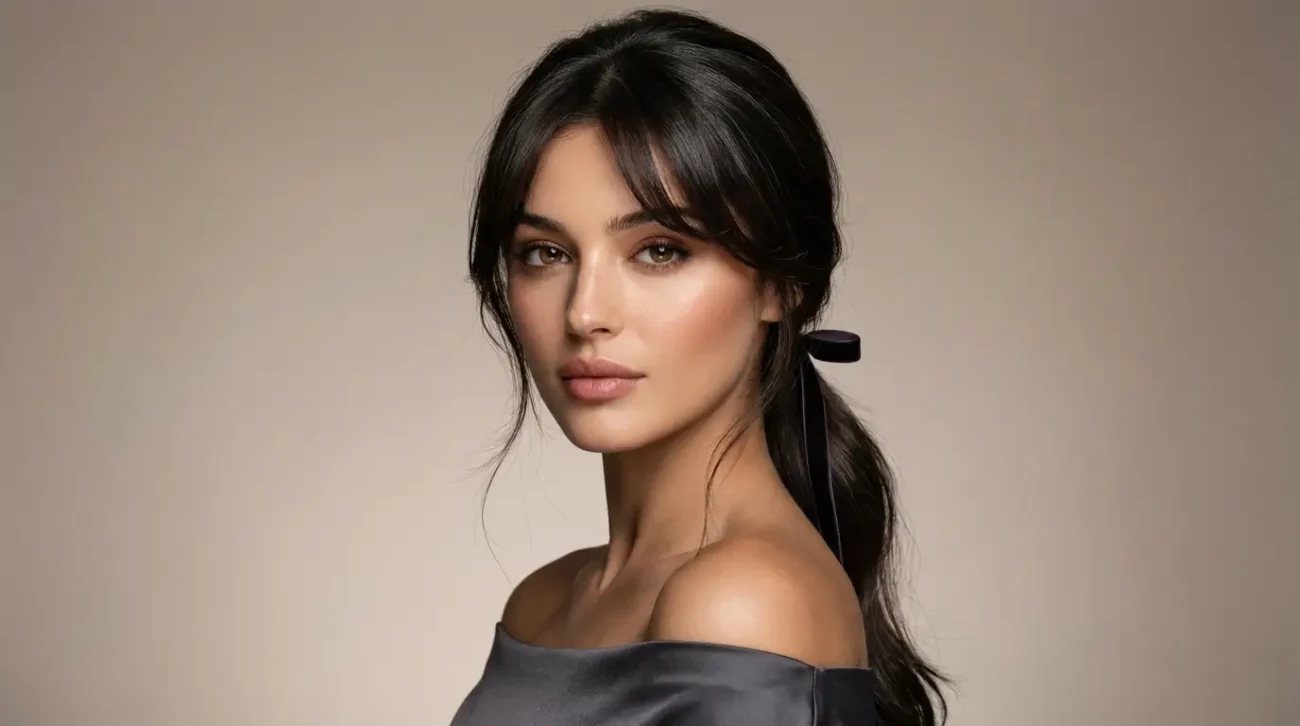
It pairs particularly well with curtain bangs, side-swept bangs, and longer face-framing pieces.
Best for
- Office looks
- Dinner occasions
- Weddings
- Formal outfits
- Minimalist hairstyles
How to style it
- Create a center or slightly off-center part.
- Separate the bangs.
- Gather the remaining hair at the nape.
- Secure the ponytail without pulling excessively.
- Smooth the sides for a polished finish.
- Style the bangs according to their shape.
- Add a subtle accessory if desired.
For an elegant occasion, a simple ribbon or refined hair clip can add visual interest without overwhelming the hairstyle.
4. Ponytail With Curtain Bangs
A ponytail with curtain bangs is one of the most adaptable versions of this hairstyle. People usually part curtain bangs near the center. They get longer toward the sides. This creates a soft frame around the face.
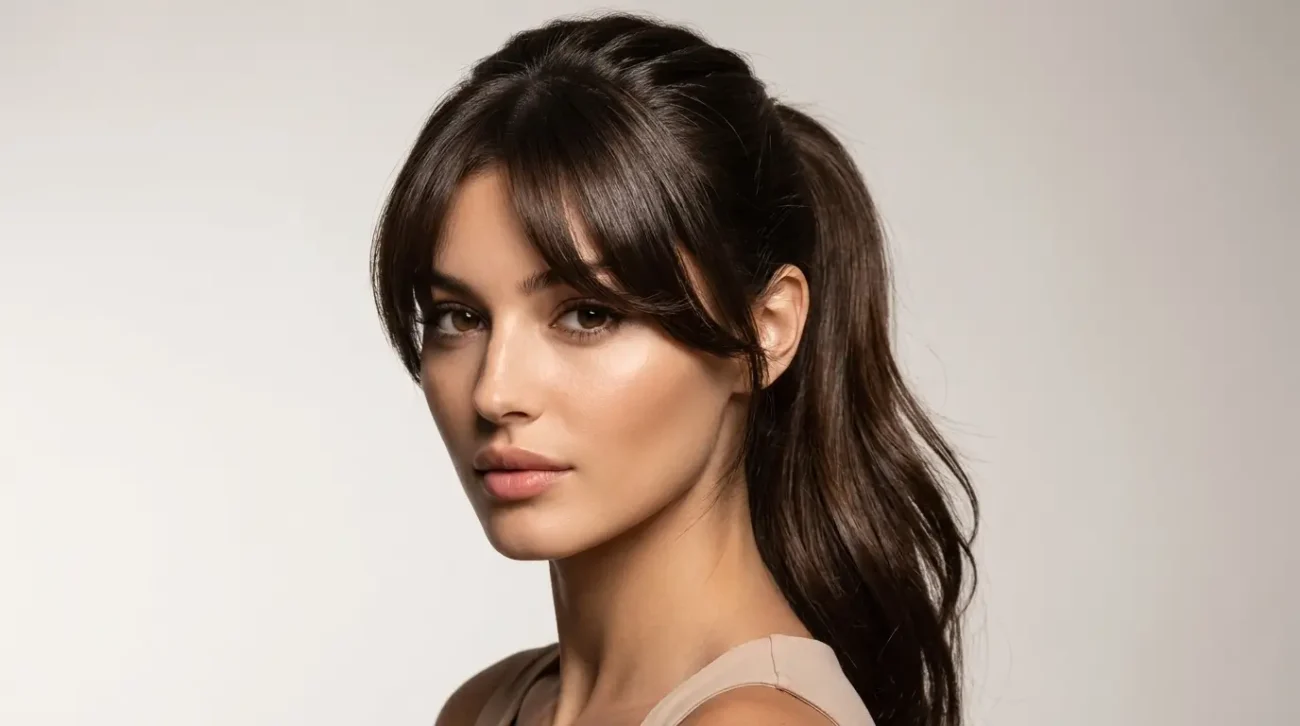
Because the fringe blends into the surrounding hair, it creates a softer transition than a blunt fringe.
How to style curtain bangs
- Create a natural center part.
- Separate the curtain bangs from the rest of the hair.
- Gather the remaining hair into your preferred ponytail.
- Use a round brush to direct each side of the fringe away from the face.
- Allow the ends to curve gently toward the sides.
- Finish with a light-hold styling spray.
For extra movement, add a subtle bend to the ends rather than creating a tight curl. This keeps the finish soft and natural.
5. Ponytail With Wispy Bangs
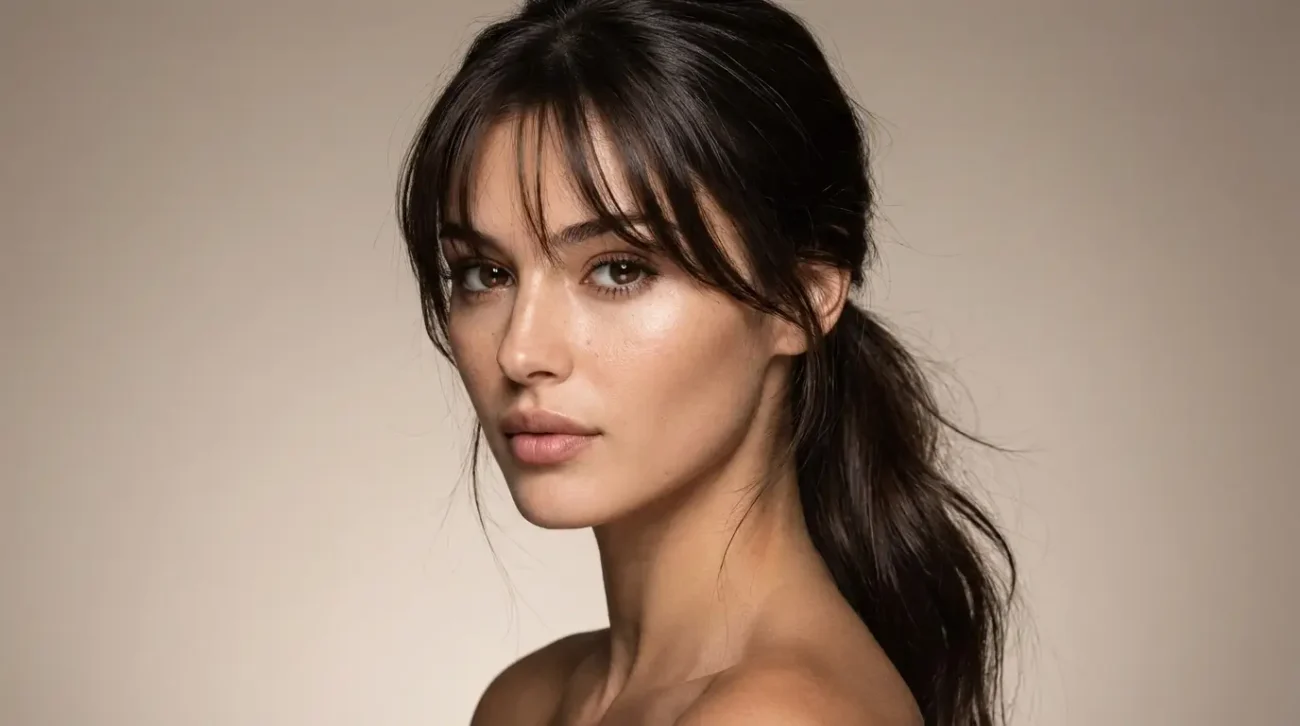
If you prefer a lighter fringe, a ponytail with wispy bangs offers a delicate and effortless alternative.
Unlike dense blunt bangs, wispy bangs allow some of the forehead to remain visible. Consequently, they can create a softer appearance while still giving the hairstyle a defined focal point.
This variation can work especially well with fine to medium hair and relaxed everyday styles.
How to style it
- Separate the wispy bangs from the rest of the hair.
- Create a medium or low ponytail.
- Smooth the bangs gently with a small round brush or flat iron when appropriate.
- Keep the fringe light rather than overly flat.
- Leave a few delicate pieces around the temples if desired.
Because wispy bangs are intentionally light, avoid applying too much styling product directly to the fringe.
6. Messy Ponytail With Bangs
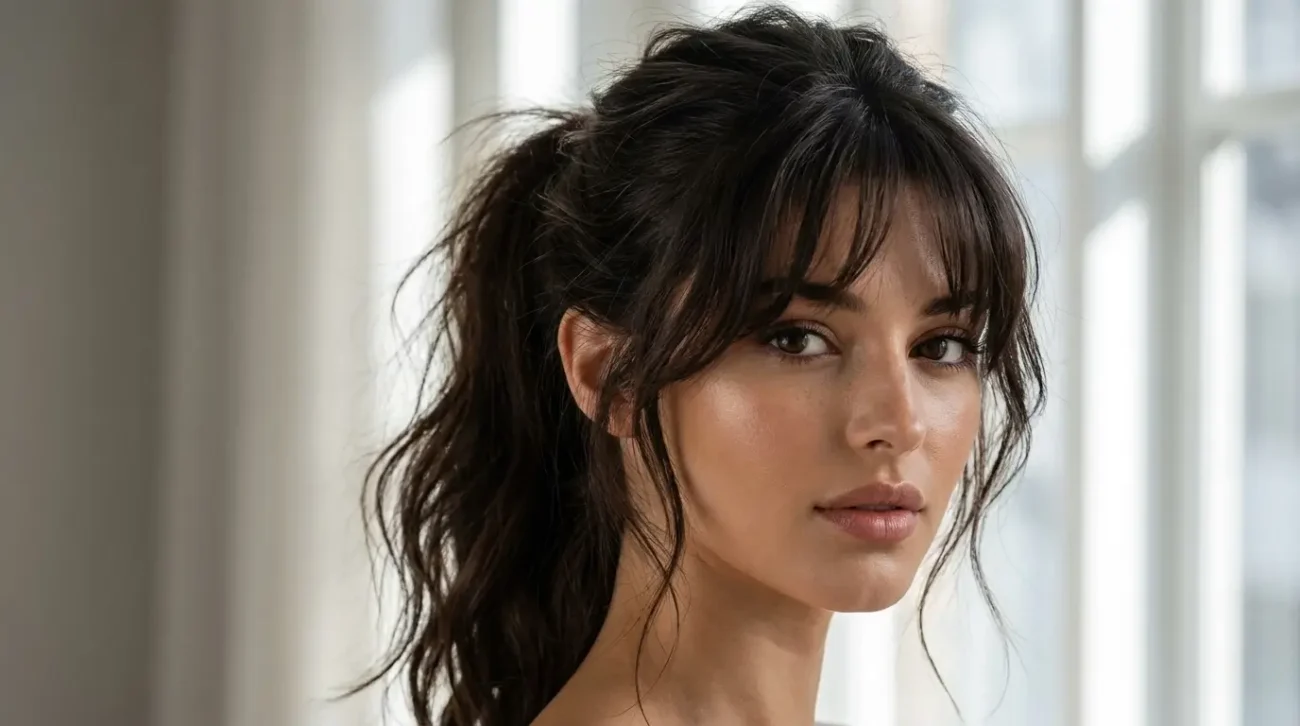
For an effortless everyday hairstyle, try a messy ponytail with bangs.
Instead of aiming for perfectly smooth strands, this variation embraces natural texture, loose pieces, and subtle volume. As a result, it feels relaxed while still looking intentional.
How to style it
- Apply a lightweight texturizing product if your hair needs additional grip.
- Use your fingers rather than a brush to gather the hair.
- Secure the ponytail loosely.
- Pull out a few face-framing strands.
- Gently loosen the crown for additional volume.
- Style the bangs with minimal manipulation.
This look works best with naturally wavy or textured hair.
That’s because the hair’s natural movement helps create the finished style..
7. Ponytail With Side-Swept Bangs
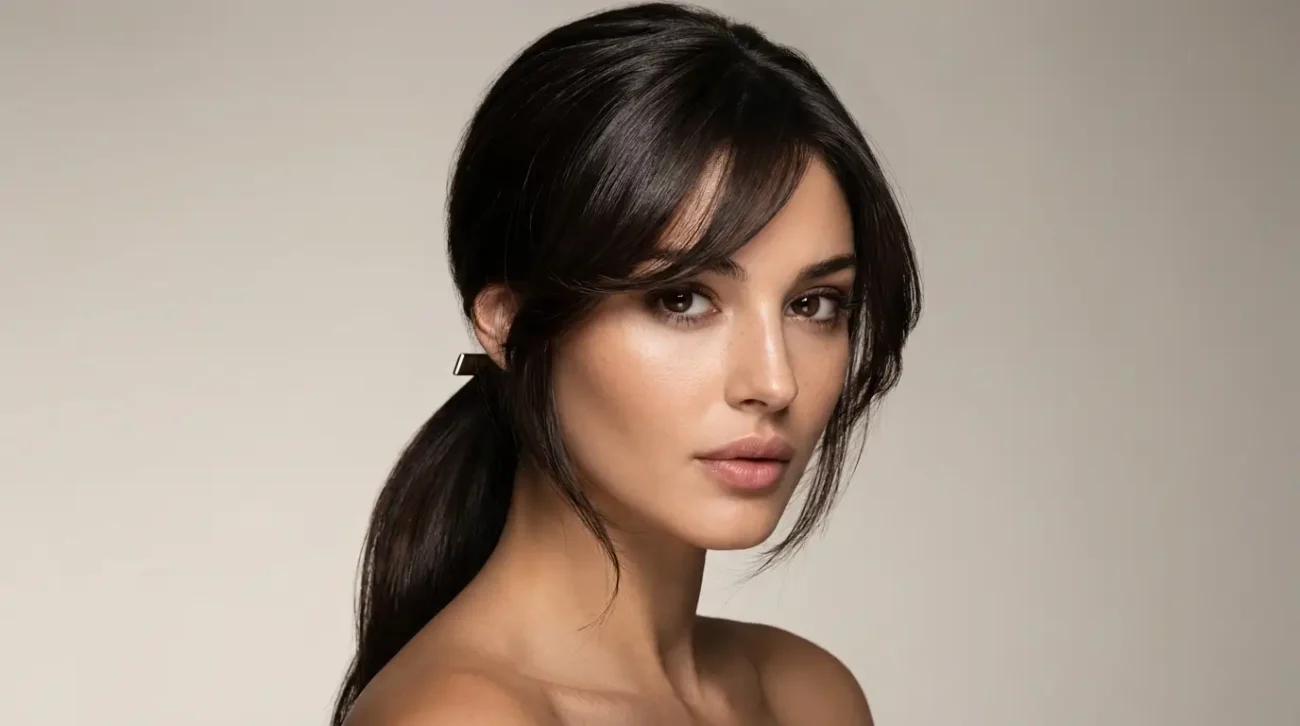
A ponytail with side-swept bangs adds movement and an asymmetrical touch to the classic hairstyle.
The fringe is directed diagonally across the forehead and can blend into longer layers around the face. Therefore, it can be a good option if you prefer a softer alternative to straight-across bangs.
How to style it
- Choose your natural or preferred parting.
- Separate the bangs.
- Secure the remaining hair into a ponytail.
- Blow-dry the bangs diagonally using a round brush.
- Create a gentle curve with a styling tool if needed.
- Blend the ends with the surrounding face-framing pieces.
For formal occasions, this variation pairs especially well with a low ponytail and a simple hair accessory.
How to Choose Bangs for Your Face Shape
Find the most flattering fringe for your features, from curtain and side-swept bangs to blunt and wispy styles. Use your face shape as a guide — not a strict rule.
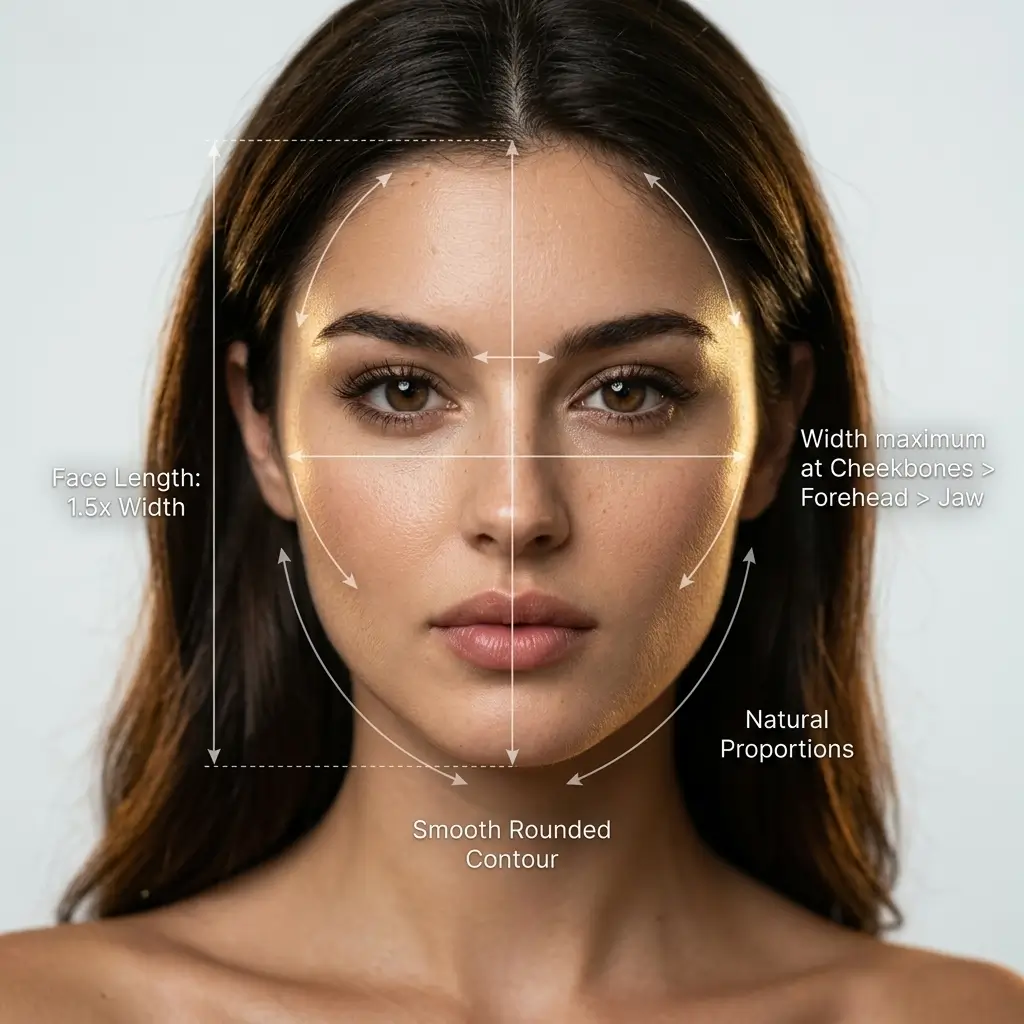


Round Face
Longer, angled pieces can create a more elongated visual effect, balancing the soft fullness of round features.
| Face Shape | Best Bangs | What to Avoid | Styling Tip |
|---|---|---|---|
| Round | CurtainSide-Swept | Heavy, blunt bangs | Create height at the crown |
| Oval | CurtainBluntWispy | No strict limitation | Experiment freely |
| Square | CurtainWispy | Heavy, straight-across bangs | Soften the jawline with texture |
| Heart | Side-SweptCurtain | Very short, blunt bangs | Balance the wider forehead |
| Long | BluntFuller Texture | Very sparse bangs | Add more forehead coverage |
Ponytail With Bangs for Different Hair Types
The same hairstyle can look very different depending on natural texture. Fortunately, the ponytail with bangs can be adapted rather than completely redesigned.
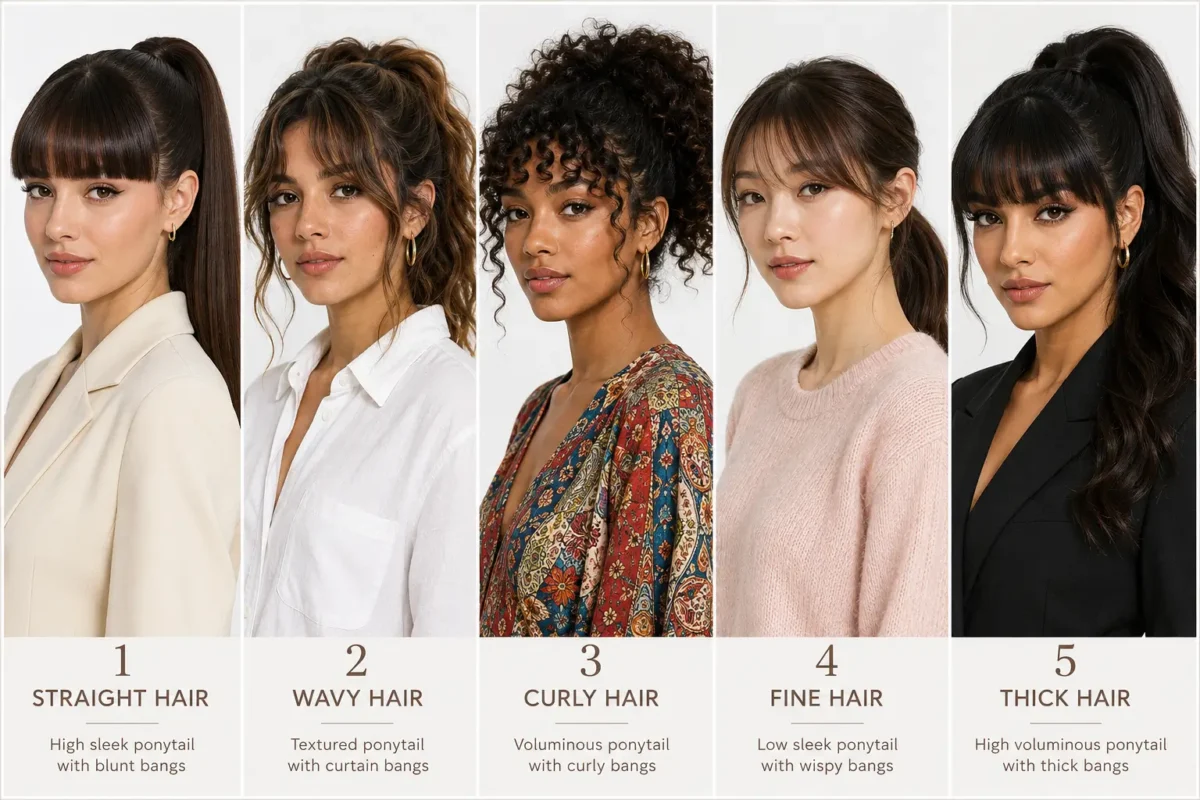
Straight Hair
Straight hair is naturally suited to sleek ponytails and defined bangs. A lightweight smoothing serum can enhance shine without making the roots feel heavy.
Blunt bangs can create a crisp finish, while curtain bangs introduce softer movement.
Wavy Hair
Wavy hair can give a ponytail natural volume and texture. Instead of straightening everything, consider enhancing your existing wave pattern.
A textured ponytail with curtain or wispy bangs can create an effortless finish.
Curly Hair
Curly hair can create a dimensional ponytail with textured or naturally curly bangs.
Rather than removing the natural curl pattern, use products designed to support your texture and manage unwanted frizz.
Keeping the ponytail naturally voluminous can make the finished style particularly expressive.
Fine Hair
Fine hair can benefit from lightweight styling products and strategic root volume.
A wispy or side-swept fringe may be a practical choice because it does not require a dense section of hair. In addition, subtle root texture can make the ponytail appear fuller.
Thick Hair
Thick hair provides plenty of natural volume for dramatic ponytails. However, it may require a stronger elastic and careful sectioning.
A lightweight smoothing cream can help control excess bulk while maintaining movement.
How to Create the Perfect Ponytail With Bangs
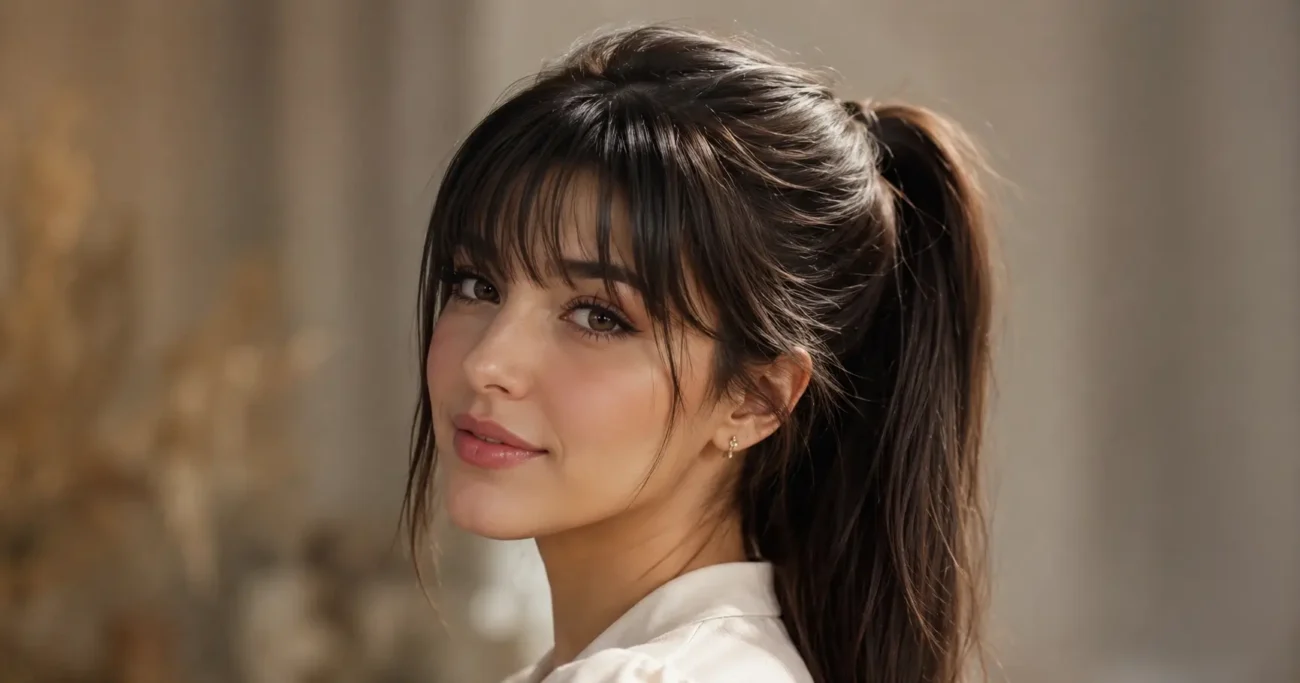
If you want one simple routine that works for most variations, follow these five steps.
Step 1: Prepare the Hair
Begin with clean, dry hair or refresh the roots if necessary. Detangle the lengths gently before styling.
Step 2: Separate the Bangs
Define the bangs before creating the ponytail. This helps prevent accidentally pulling fringe into the ponytail.
Step 3: Choose the Ponytail Height
Decide whether you want a high, medium, or low ponytail.
Generally, a high ponytail looks more energetic, while a low ponytail feels more understated and elegant.
Step 4: Style the Bangs
Use the appropriate technique for your fringe:
- Curtain bangs: Direct them away from the face.
- Blunt bangs: Smooth them forward.
- Wispy bangs: Keep them light and textured.
- Side-swept bangs: Direct them diagonally across the forehead.
Step 5: Finish Carefully
Control flyaways with a small amount of finishing product. If desired, wrap a section of hair around the elastic for a cleaner finish.
How to Make a Ponytail Look Fuller
If your ponytail lacks volume, several simple techniques can help.
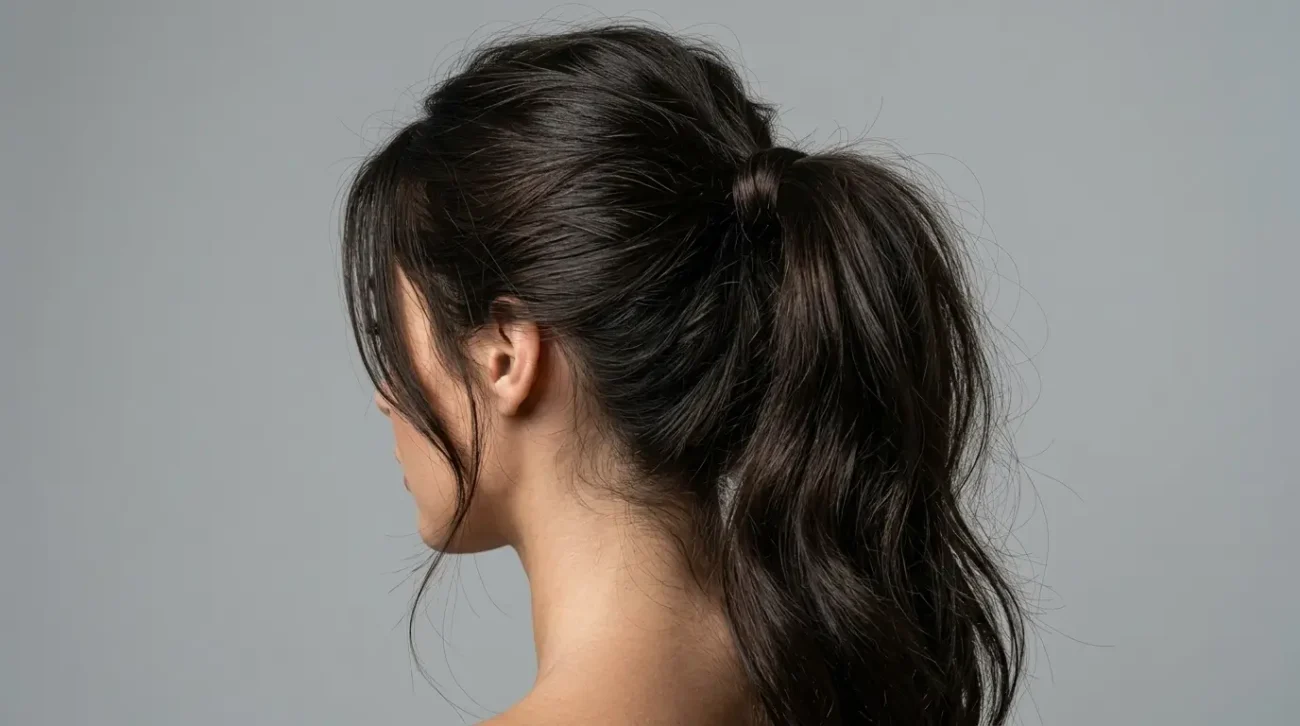
Add Root Texture
A lightweight volumizing product can provide additional grip and lift without weighing the hair down.
Tease Selectively
Gentle teasing at the crown can create additional height. However, keep the technique controlled and avoid repeatedly backcombing the same sections.
Try a Double Ponytail
Dividing the hair into two strategically positioned ponytails can create the appearance of additional length and fullness.
Consider Clip-In Extensions
For special occasions, clip-in extensions can add noticeable length and volume when applied securely and comfortably.
The most natural results usually come from combining subtle techniques, not using a lot of one styling product.
Ponytail With Bangs for Special Occasions
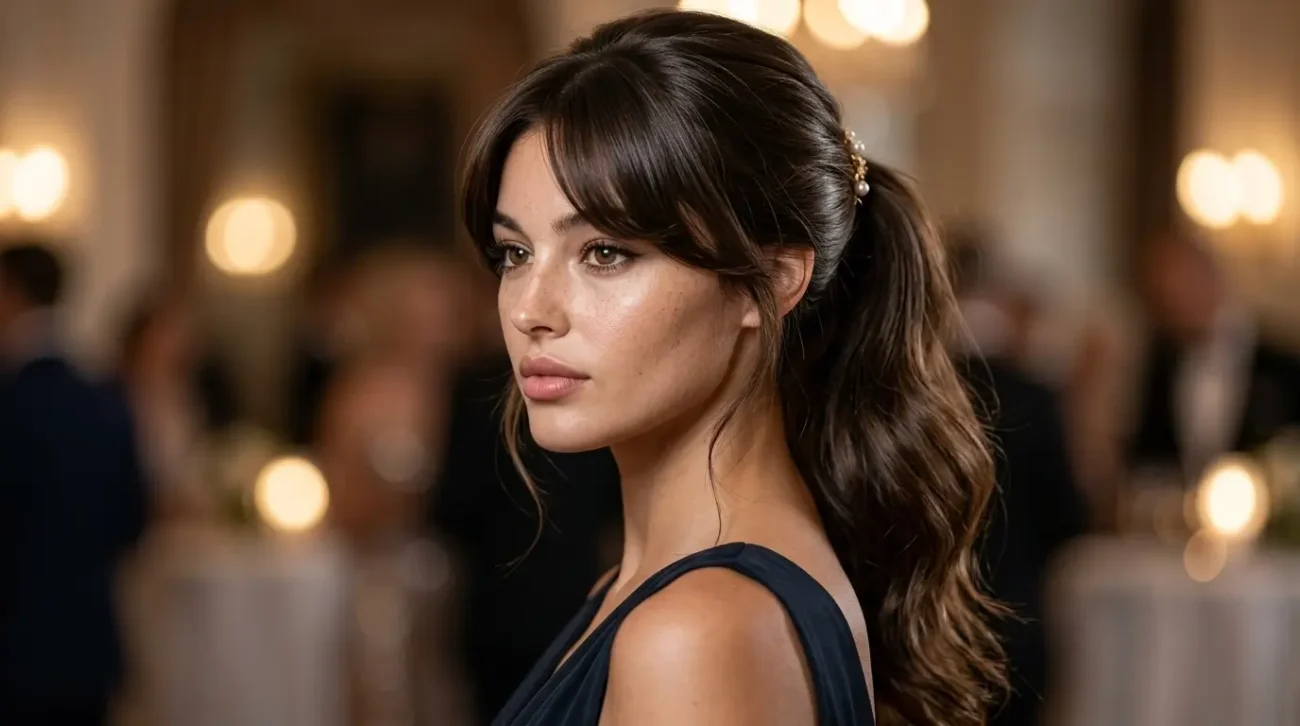
A ponytail can be surprisingly elegant when styled thoughtfully.
For Weddings
A low ponytail with curtain bangs, soft waves, and a delicate accessory can create a romantic appearance.
For Formal Dinners
A sleek ponytail with polished bangs offers a clean and sophisticated finish.
For Parties
A textured ponytail with wispy bangs can feel playful and contemporary.
For Professional Events
A medium-height ponytail with neatly styled side-swept bangs provides a polished yet approachable look.
In each case, balance is important. Accessories, texture, and shine should enhance the hairstyle rather than compete with it.
Common Ponytail With Bangs Mistakes to Avoid
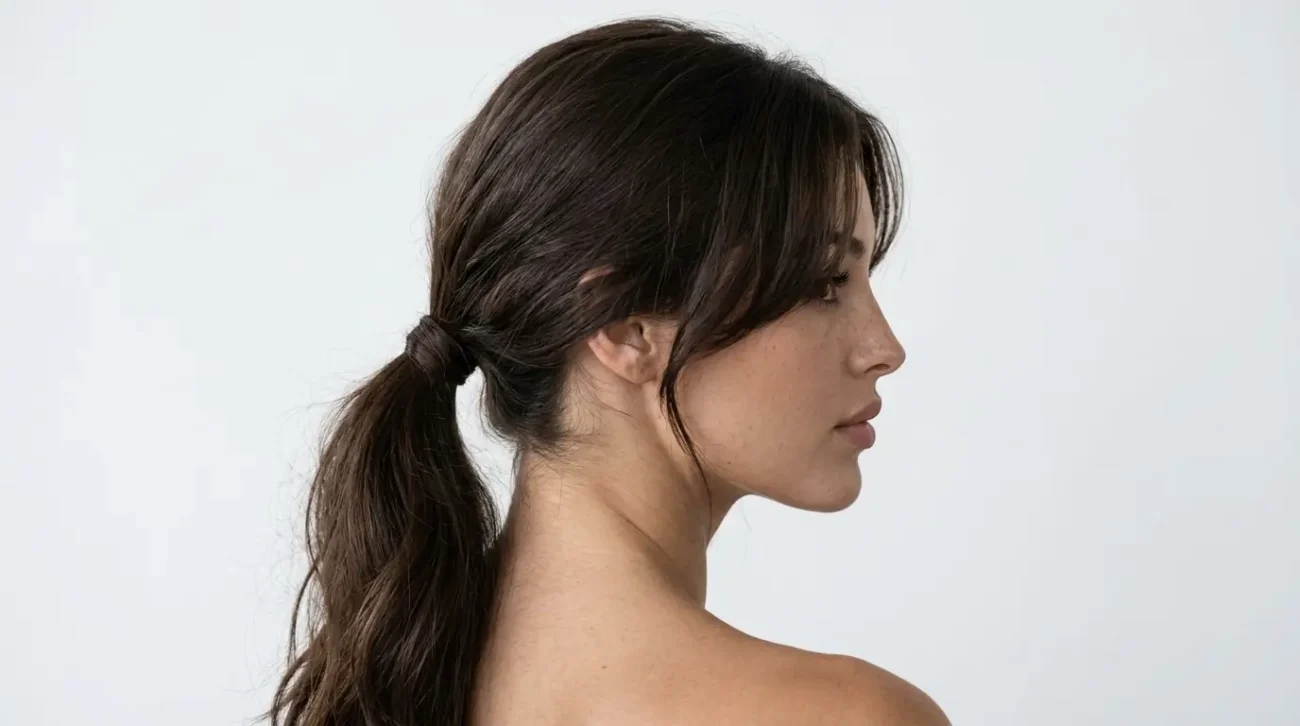
Even a simple hairstyle benefits from thoughtful preparation. Here are several common mistakes to avoid.
Making the Ponytail Too Tight
A ponytail should feel secure without creating unnecessary tension. If the style feels uncomfortable, loosen it and reposition the elastic.
Applying Too Much Product
Heavy amounts of gel, oil, or hairspray can make bangs look stiff or greasy. Start with a small amount and build gradually when necessary.
Neglecting the Bangs
Because the fringe frames the face, it deserves the same attention as the ponytail itself.
Fighting Your Natural Texture
Straightening naturally wavy or curly hair is not always necessary. Working with your natural texture can often produce a softer and more effortless result.
Skipping the Finishing Detail
A small final touch can make a simple ponytail look more polished.
For example, you can wrap hair around the elastic.
You can also smooth down flyaways.
How to Maintain a Ponytail With Bangs
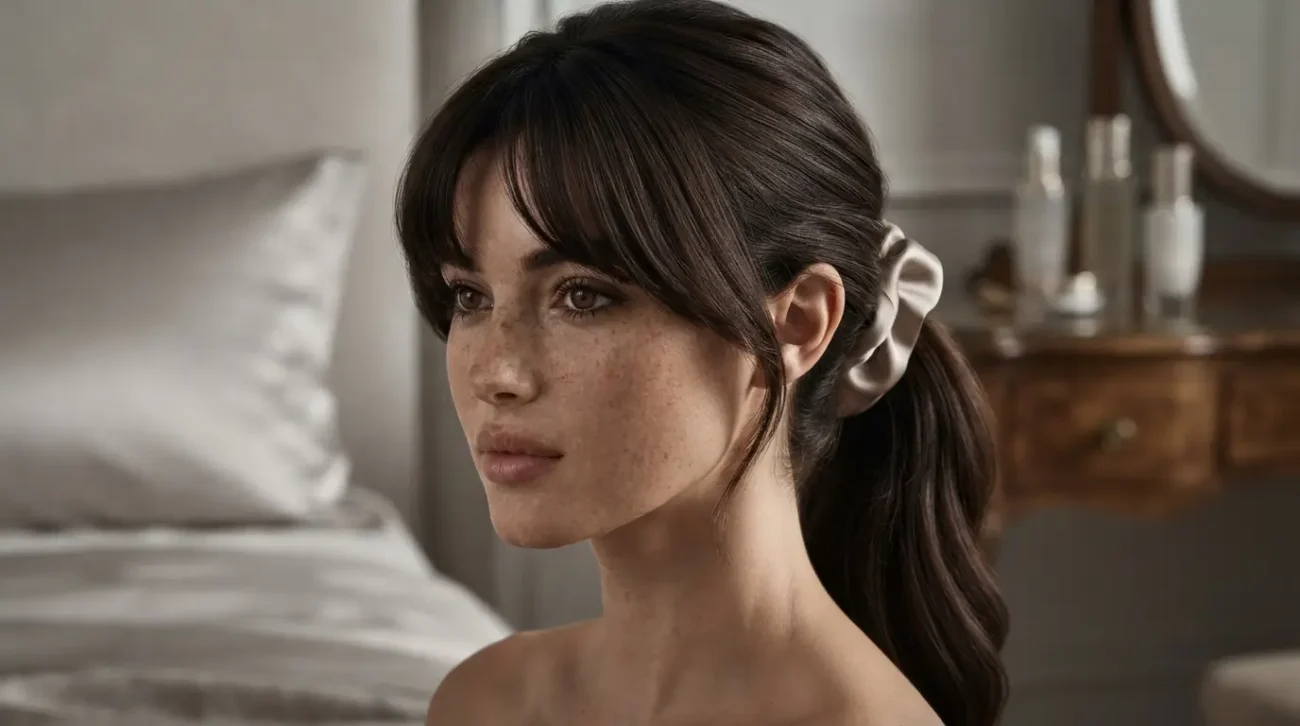
A few simple habits can make this hairstyle easier to manage over time.
Keep Bangs Trimmed
The ideal trimming schedule depends on the type of bangs and how quickly your hair grows. Short or blunt bangs generally require more frequent maintenance than longer curtain bangs.
Refresh the Fringe
Bangs can become oily faster because they sit close to the forehead. If needed, refresh them separately rather than applying heavy products directly to the fringe.
Avoid Excessive Tension
If you wear ponytails frequently, vary the height and avoid consistently pulling the hair tightly.
Protect Hair While Sleeping
A soft scrunchie and a smooth pillowcase can help reduce unnecessary friction and tangling.
Keep Hair Conditioned
Regular conditioning helps maintain softness and manageability, particularly when heat styling is part of your routine.
Frequently Asked Questions About Ponytail With Bangs
Start by preparing and detangling the hair, then separate the bangs before creating the ponytail. Choose a high, medium, or low ponytail, style the bangs according to their type, and finish by smoothing flyaways or wrapping a small section of hair around the elastic.
Curtain bangs, blunt bangs, wispy bangs, and side-swept bangs can all work well with a ponytail. The best choice depends on your preferred look, natural hair texture, and how you want the bangs to frame your face.
Add light root texture, gently tease the crown, or use a double ponytail technique to create the appearance of more volume. For special occasions, securely applied clip-in extensions can add extra length and fullness.
Refresh the bangs separately when necessary and avoid applying heavy oils, gels, or styling products directly to the fringe. Keeping the bangs clean and using lightweight products can help maintain a fresh, natural appearance.
Yes. A ponytail with bangs can look elegant for weddings, formal dinners, parties, and professional events. A low ponytail with soft waves creates a romantic look, while a sleek ponytail offers a more polished and sophisticated finish.
Keep the bangs trimmed according to their style, refresh the fringe when needed, and avoid wearing the ponytail too tightly. Vary the ponytail height, protect the hair while sleeping, and condition regularly to keep the hair soft and manageable.
Final Thoughts
The ponytail with bangs is a versatile hairstyle because it suits many hair textures and face shapes. It also works for many occasions and personal styles.
From the sleek, polished ponytail with bangs to the relaxed, messy ponytail with bangs, each style offers a new way to show your look. Curtain bangs create softness, blunt bangs add structure, wispy bangs create an airy finish, and side-swept bangs introduce movement.
Most importantly, there is no single “perfect” version. The best approach is to consider your natural texture, your upkeep preferences, your comfort, and the look you want.

